📅 Last updated: August 2026✏️ Reviewed by: VancedApp Editorial Team
YouTube Vanced History Timeline
- 2017 to 2018: Development begins on a modified YouTube app focused on ad blocking and background playback.
- 2019: Vanced gains a large following. Vanced Manager arrives to simplify installation, and MicroG integration allows Google account login.
- 2020 to 2021: Vanced becomes one of the most searched Android video app names. SponsorBlock, Return YouTube Dislike, and AMOLED themes ship. YouTube Music Vanced is released.
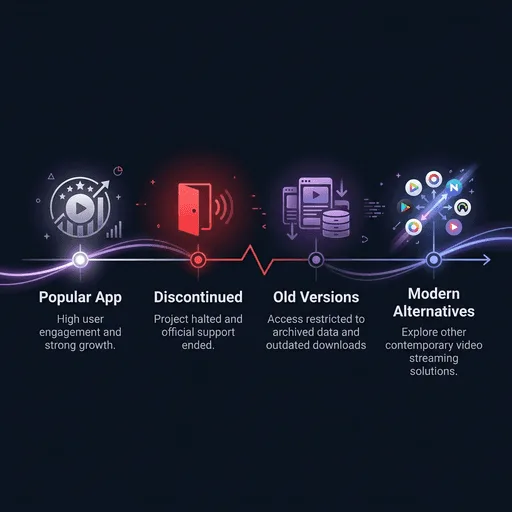
- March 2022: Team Vanced announces the project is discontinued after legal pressure. Official download links are removed, and Vanced Manager stops receiving updates.
- 2022 to 2023: ReVanced emerges as a community-driven successor using a patch-based model rather than a prebuilt app.
- 2024 to present: ReVanced development continues. Alternatives like NewPipe, LibreTube, and SmartTube pick up users, and the Vanced name still draws heavy search demand.
The Google Cease-and-Desist & Vanced Shutdown
In March 2022, Google sent a cease-and-desist letter to Team Vanced demanding the project shut down. The team complied and announced the discontinuation within days. Google never filed a formal lawsuit, but the letter carried the implicit threat of litigation under trademark and copyright law.
The factors behind the cease-and-desist:
- Trademark infringement: the project used "YouTube" in its branding, a registered Google trademark
- Copyright concerns: the team distributed modified versions of YouTube's proprietary APK
- NFT/token controversy: Team Vanced briefly explored a "Vanced" cryptocurrency token, which drew public criticism and probably sharpened Google's attention
- Scale: millions of downloads made the app a visible threat to YouTube Premium revenue
- Precedent: Google had to enforce its trademarks or risk weakening its position in future cases
The letter targeted the development team, not individual users. No user was sued, banned, or penalized for running the app.
Why Vanced Was So Popular
A few things drove the app's reach:
- Feature gap: background playback and ad-free viewing required YouTube Premium, which was unavailable or unaffordable in many markets
- Ease of use: Vanced Manager made installation simple compared with other modified apps
- Reliability: the app worked well and was updated regularly to keep pace with YouTube changes
- Community: active Reddit and Discord communities handled support and news
What Came After
Following the discontinuation:
- ReVanced emerged as the main successor with a different technical approach
- Open source alternatives like NewPipe and LibreTube picked up users
- YouTube Premium expanded into more markets
- Many websites started using Vanced keywords to attract traffic, often with misleading claims
Lessons for Users
The Vanced story leaves a few plain takeaways:
- A modified app can be discontinued at any time under legal pressure
- Relying on a single unofficial app carries built-in risk
- Open source projects with transparent governance tend to survive longer
- Verifying sources matters most once a popular brand name has no owner behind it